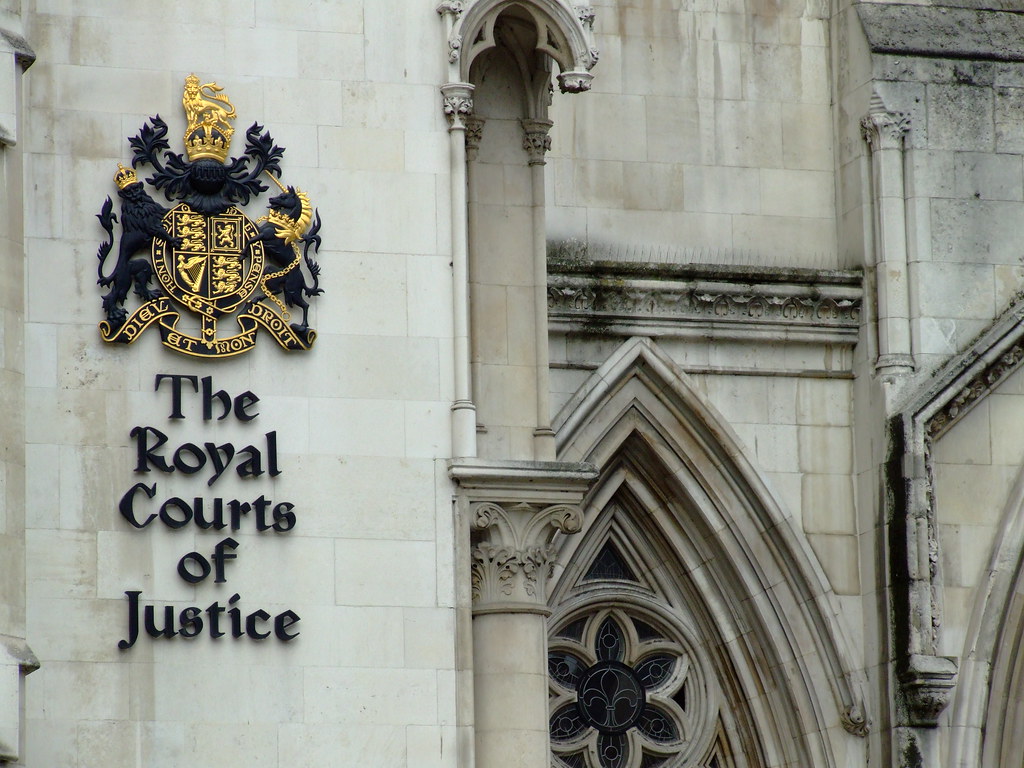
Twelve-year-old Archie Battersbee died on 7 August, after months of legal wrangling between doctors who believed he was brain dead and wished to end life support, and his family who resisted this. This tragic case has captured a lot of media attention, and in this episode we try to unpick some of the complicated medical and ethical challenges thrown up by the story. Why is it so much harder today than in the past to actually determine if a person has died? How can, and should, the courts overrule the wishes of a child’s parents regarding medical treatment (or its withdrawal)? And can Christians be pro-life and anti-euthanasia, while still supporting the doctors’ wish to allow Archie to die?
In each episode of Matters of Life and Death, brought to you by Premier Unbelievable?, John Wyatt and his son Tim discuss issues in healthcare, ethics, technology, science, faith and more. John is a doctor, professor of ethics, and writer and speaker on many of these topics, while Tim is a religion and social affairs journalist. We talk about how Christians can better engage with a particular question of life, death or something else in between.
Twelve-year-old Archie Battersbee died on 7 August, after months of legal wrangling between doctors who believed he was brain dead and wished to end life support, and his family who resisted this. This tragic case has captured a lot of media attention, and in this episode we try to unpick some of the complicated medical and ethical challenges thrown up by the story. Why is it so much harder today than in the past to actually determine if a person has died? How can, and should, the courts overrule the wishes of a child’s parents regarding medical treatment (or its withdrawal)? And can Christians be pro-life and anti-euthanasia, while still supporting the doctors’ wish to allow Archie to die?
For more resources to help you explore faith and the big questions, visit: http://www.premierunbelievable.com
If you want to go deeper into some of the topics we discuss, find more resources to read, listen to and watch at John’s website: http://www.johnwyatt.com
Subscribe to the Matters of Life and Death podcast: https://pod.link/1509923173
Archie’s case underlines the growing crisis over the lack of trust many ordinary people have in medical professionals. Nobody wants to go back to absolute deference to doctors, but is there an alternative to furious hostility and judges having to rule on care decisions? Doctors and patients also need to wrestle with a new participant in these vexed and fraught conflicts – the public, newly involved in these cases via social media and online campaigns. But is it helping to have activists turning these unique and tragic stories of deeply sick children into grist for the culture war mill?
In each episode of Matters of Life and Death, brought to you by Premier Unbelievable?, John Wyatt and his son Tim discuss issues in healthcare, ethics, technology, science, faith and more. John is a doctor, professor of ethics, and writer and speaker on many of these topics, while Tim is a religion and social affairs journalist. We talk about how Christians can better engage with a particular question of life, death or something else in between.
Archie’s case underlines the growing crisis over the lack of trust many ordinary people have in medical professionals. Nobody wants to go back to absolute deference to doctors, but is there an alternative to furious hostility and judges having to rule on care decisions? Doctors and patients also need to wrestle with a new participant in these vexed and fraught conflicts – the public, newly involved in these cases via social media and online campaigns. But is it helping to have activists turning these unique and tragic stories of deeply sick children into grist for the culture war mill?
For more resources to help you explore faith and the big questions, visit: http://www.premierunbelievable.com
If you want to go deeper into some of the topics we discuss, find more resources to read, listen to and watch at John’s website: http://www.johnwyatt.com
Subscribe to the Matters of Life and Death podcast: https://pod.link/1509923173